
Definition of Thrifting
Thrifting can be boiled down to many different things. For some, it’s about saving money and living within frugal means – for others, it’s a thrilling experience of hunting down the best “hidden gems”.
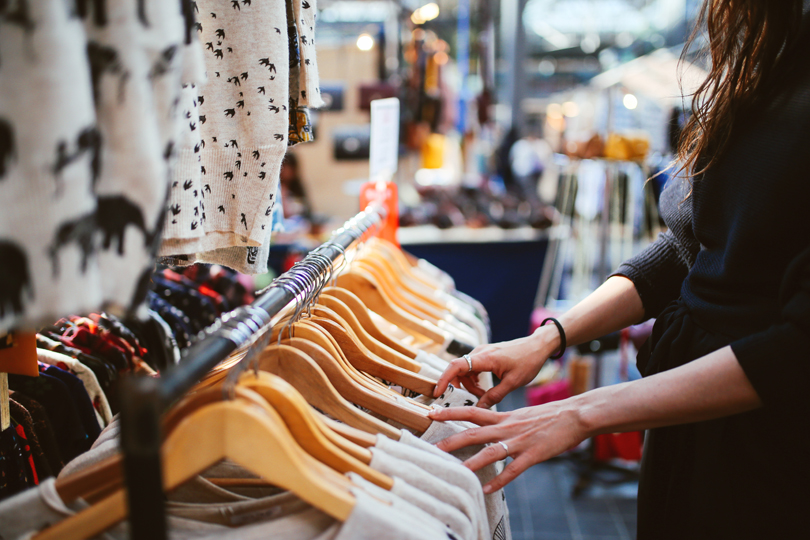
Overall, thrifting can be defined as choosing to buy secondhand items in a sustainable setting. They are typically priced lower than normal retail price, and they are usually worn or used. These items include majority clothing, but thrift stores can also house dishware, furniture, technology, movies, and games.
However, just because they are used does not mean there’s no value in buying them. The core of thrifting lies in finding value in something someone has already had. Rather than buying fast fashion that quickly wastes precious resources and time, buyers can choose to reuse what has already been made. Thrifting allows buyers to make use of what’s been deemed “old” and turn it into something fresh and sustainable.
Dating all the way back to the 1300s, the concept and implementation of thrifting is not new. There have always been communities who have utilized secondhand items. Though, specifically secondhand clothing did not become fully established until the 1800s. Thrifting can be rooted back to the bartering systems of the old world: two people trading some item for another. Its first appearance was in clothing markets that used to appear around the town. People would come with things to “sell” or trade, and they would leave with new items, such as secondhand clothing. This process has quickly evolved into what we know today as modern thrifting.
Pros and Cons
Pro #1: Environmentally and Eco-Friendly
It massively reduces waste by extending the item’s life. Clothing productions are resource-heavy, using water, energy, and chemicals. Thrifting also often lessens the demand for fast fashion. Every secondhand purchase slightly reduces pressure on brands that rely on low wages and overproduction.
Pro #2: It’s Affordable (usually)
This is pretty front and center – you can buy basic clothing like tees, jeans, and sweaters that are much cheaper than its retail price. You can sometimes get high-end and/or durable brands for a fraction of its original price as well.
Pro #3: Psychological and Social Factors
Fast fashion is based on what’s trending, which is why a lot of it tends to dissolve so quickly because of how fast trends come and go. Because people want to follow the trends they feel pressured to participate in it. When thrifting you’re not chasing trends that are being pushed out. Thrifting also makes you become more intentional when shopping and thinking harder about whether you personally like it, then to whether you want it because someone else had it.
Con #1: Hygiene and Condition Concerns
Because a lot of the products in thrift stores are used, you have to constantly inspect to make sure you can actually wear the clothes. Buying used clothes brings the risk of odors, pet hair, bed bugs (rare), and fabric breakdowns. Another problem is, once you buy something from the thrift store, you can’t return it so there can be a little bit of pressure when it comes to buying from thrifts.
Con #2: Ethical Impact
While thrifting can lessen the demand for fast fashion, overconsumption can still happen. Buying 10 cheap items from the thrift that you don’t need isn’t much better than buying 1 intentional new item. On top of that, heavy reselling can drive the prices up, which can reduce access to affordable clothing for low-income shoppers.
Con #3: Financial Side
Since thrifting has become more popular, many stores have upped the prices accordingly, which means that some “good” brands are sometimes priced closer to their retail price. On top of that, making alterations and tailoring can eat up savings. There is also a misconception that “cheap per item” = “cheap overall”, which is not true. Having this mindset when thrifting can lead to volume spending.
Thrifting Today
Up to the early 2000s, thrifting was not so commonly nor proudly mentioned, especially among the youth. The perception of thrifting has changed drastically as it went from worn-out, secondhand clothing that is out of style to unique, vintage, and sustainable clothing. When did thrifting become cool? Why did the public change their mind?
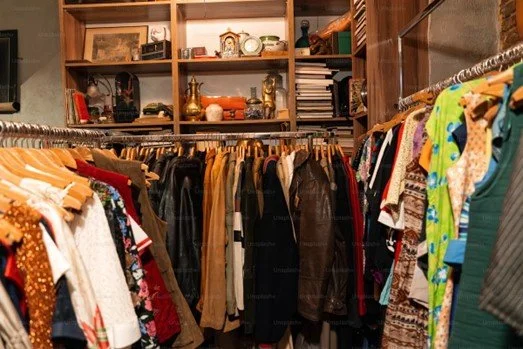
This shift began after the 2008 recession, when economic pressures, environmental awareness, and online platforms emerged which led to the rebranding of thrifting. As fast fashion continued to soar while environmental concerns and financial hardships grew, many consumers began to seek cheaper alternatives to shopping. Meanwhile, the constant change of clothing trends and the growth rate of fast fashion led many consumers to question its sustainability and pollutive effects on our environment, Earth. As the public awareness of sustainability grew, thrifting turned into an ethical choice instead of a financial need.
Platforms such as thredUP capitalized off of this cultural shift by making thrifting online and turning resale into something more convenient, curated, and accessible. Meanwhile, Facebook Marketplace made the thrifting experience local and social by facilitating community-based exchanges. Other resale stores such as Plato’s Closet have also contributed to normalizing thrifting for the youth and young adults by promoting trendiness and brand names. These resale stores and platforms along with social media influencers have played a huge role in the rebranding of thrifting.
Today, thrifting is not just cool, but it’s also a sign of environmental awareness, individuality, and defiance to mass production of fast fashion.
Tips for Successful Thrifting
Like any good shopping trip, the goals are to find what you need for a good price and at the best quality. We’d like to offer some best tips for how to do so.
Planning Ahead
Before your trip, it is helpful to research not only the thrift shops in your area but also the particular piece you are looking for.
Some stores market themselves for certain aesthetics which helps you figure out where you may have the best luck to find clothing of your taste. Another helpful benefit of researching stores includes knowing of any sales they may be holding and when they refresh the merchandise. Plan your shopping trip in accordance with the store’s schedule to have first pick on the racks.
Researching the product- for example a brown leather jacket- also makes you aware of any brands to look out for with positive reputations and specific tips on picking a good product. Look into how to tell if certain materials are better, early signs of deterioration, and how to spot fakes.
In-Store Tips
Once you are prepared with all your research, the actual fun of finding your new closet staple begins.
Wear an outfit you can envision pairing with your desired piece to better let you know if you would actually be able to style what you are looking for.
Do not be afraid to experiment with sizes and take a good look around the store. Because thrift shops are made up of a jumble of brands from different eras- your new favorite jacket could be hiding in a random corner, in a size section you would not have thought to look through, or even in the opposite genders section.
With these helpful tips, you are sure to find the item of your dreams that checks all your boxes.

Leave a Reply