If 2026 fashion had a mood board, it would be chaos in the best way possible. Think corsets and opera gloves one minute, chrome mini skirts the next, and neon rave goggles by nightfall.
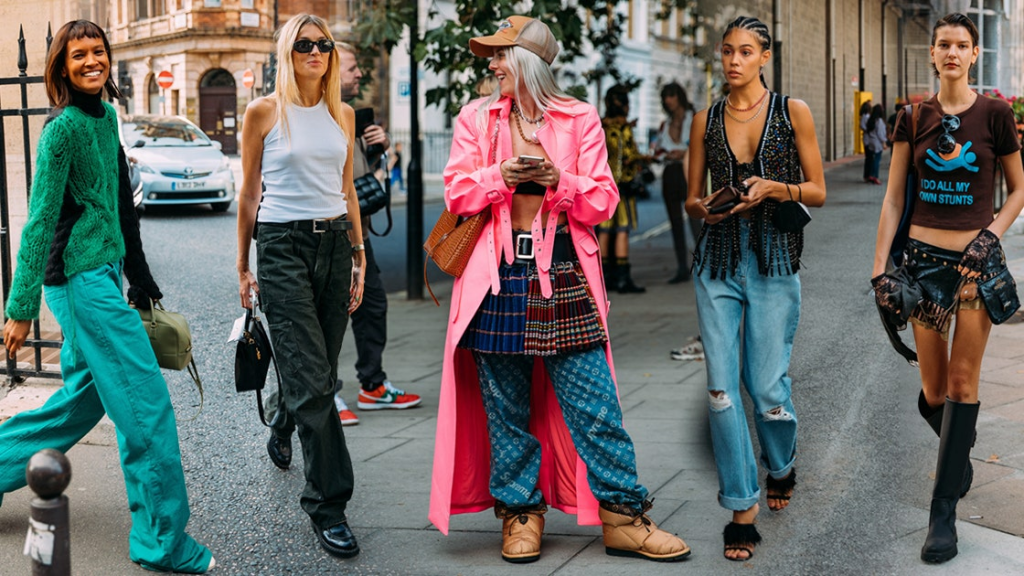
This year’s trends aren’t following a single aesthetic—they’re time traveling. From Regency-inspired romance to Y2K pop-star nostalgia and tech-infused rave wear, style in 2026 is all about blending eras and building a look that feels personal, dramatic, and a little escapist.
What’s driving it? Streaming shows, social media, festival culture, and a generation that refuses to dress quietly. Instead of choosing between soft, dark, futuristic, or nostalgic, fashion lovers are wearing all of it at once—and making it their own.
Modern Period Aesthetics
What brought this trend?
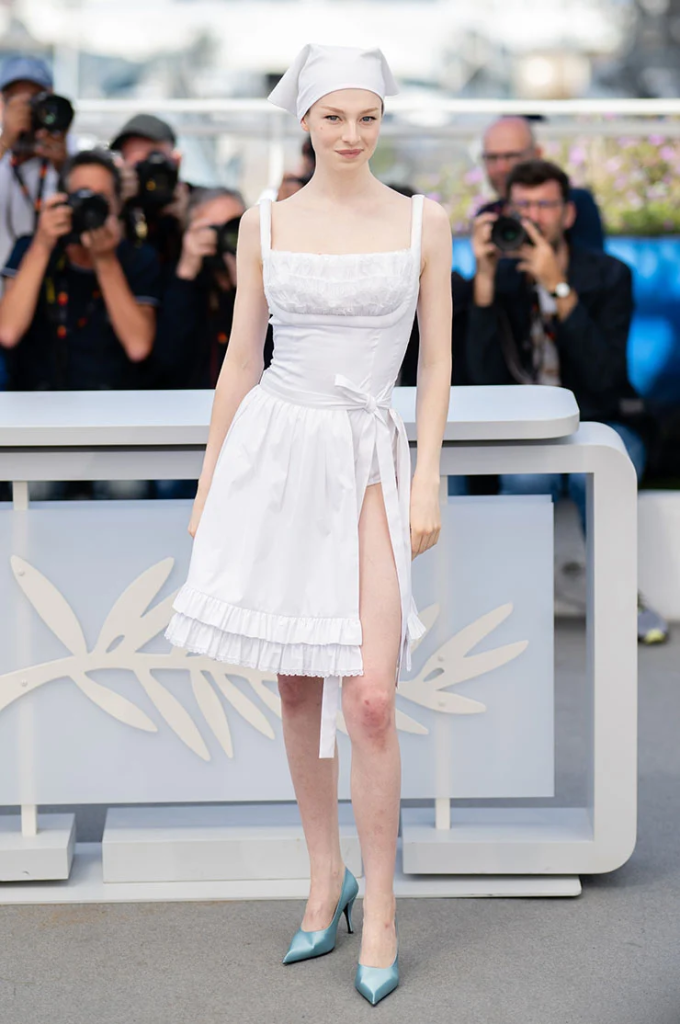
Over the past few years, period fashion has swept from costume dramas into everyday wardrobes. What once felt reserved for
historical reenactments or Halloween has become a source of mainstream inspiration, thanks in large part to the visual power of film and television.
A major catalyst for this resurgence is Bridgerton. With its pastel empire-waist gowns, opera-length gloves, delicate tiaras, and lavish embroidery, the show reimagined Regency-era style for a modern audience. Following its debut, fashion retailers reported spikes in corset tops, pearl accessories, satin gloves, and flowing dresses. The “Regencycore” aesthetic quickly took over social media platforms, blending romantic silhouettes with contemporary cuts. What makes the show especially influential is its playful use of color and inclusivity, proving that historical inspiration doesn’t have to mean strict historical accuracy.
Darker Aesthetics
But the trend isn’t limited to the ballrooms of Regency England. The brooding atmosphere of Wuthering Heights has fueled interest in windswept Victorian drama: high collars, long dark skirts, wool coats, and moody, earth-toned palettes. This aesthetic—sometimes dubbed “moorscore”—leans into texture and emotion. Similarly, adaptations of Dracula have revived gothic fashion staples such as lace blouses, dramatic capes, corsetry, and deep crimson or black ensembles. The romantic darkness of vampire lore continues to inspire both runway designers and alternative fashion communities.
Meanwhile, Frankenstein contributes a slightly different influence: a fascination with early 19th-century tailoring and a subtle industrial edge. Structured jackets, waistcoats, and billowy shirts evoke a scientific, almost steampunk sensibility. This crossover between literary gothic and speculative aesthetics keeps the look feeling inventive rather than costume-like.
Spreading the trend
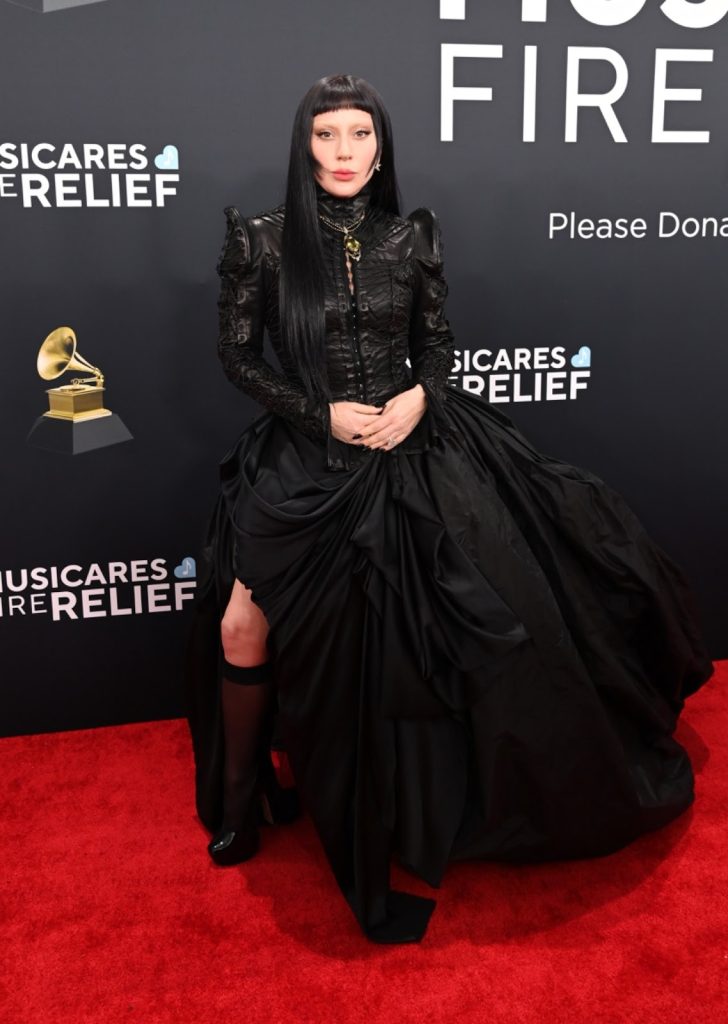
Social media platforms like TikTok and Instagram have amplified these influences, allowing users to share thrifted finds, sewing projects, and outfit transformations. The result is a democratization of period fashion—no longer confined to high-budget productions or luxury designers.
Ultimately, the rise of modern period fashion reflects a desire for romance, escapism, and craftsmanship in an era dominated by fast fashion and minimalism. Whether it’s the soft glow of Regency elegance or the shadowy allure of gothic Victoriana, audiences aren’t just watching these stories—they’re wearing them.
Y2k aesthetic
Arguably the most popular and influential fashion rebrand of 2026, the Y2K aesthetic seems to be making its rounds this year. The timeless style is especially popular among our gen z and gen alpha fashionistas. Y2K prides itself on bright flashy patterns mixed with the rising futurism of the 90s and the eccentric colors of the early 2000s.
Cultural Context
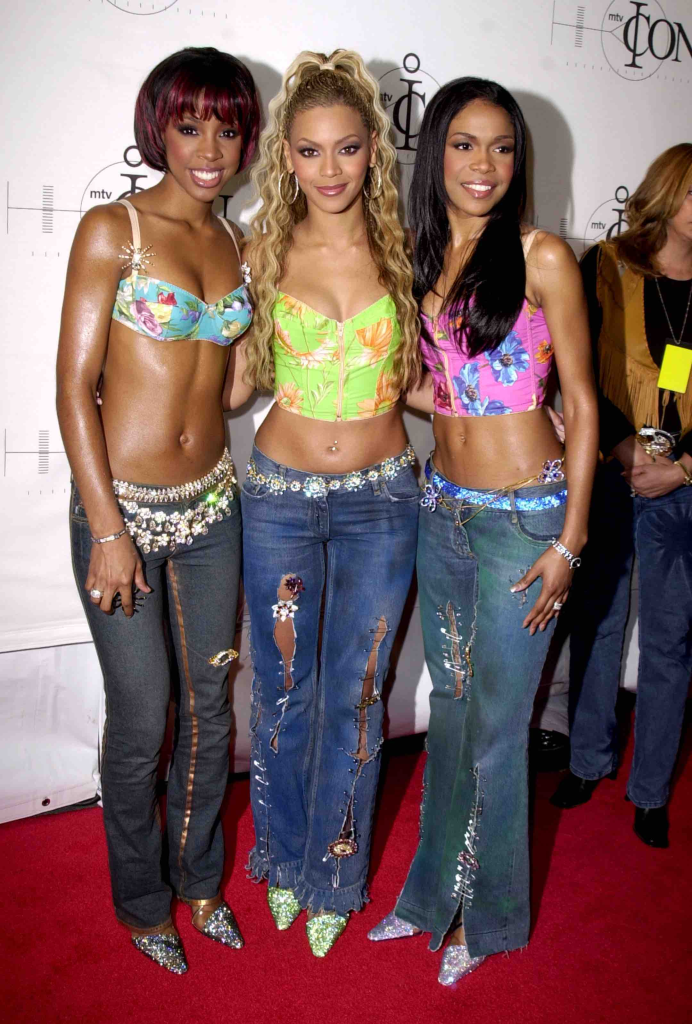
Originating in a time when it was normalized to break free of social trends, Y2K emerged as an up and coming trend itself. It was a culmination of shiny fabrics, smooth finishes, bright colors, platform sneakers, funky hair clips, and so much more. It was the height of when a new decade, culture, technology, and hope for the future collided.
There were so many key pieces that defined this era. You couldn’t go anywhere without seeing someone’s midriff exposed by crop-top-turned-baby-tee. You couldn’t go to an event without seeing a gorgeous woman very quietly struggling to walk in a chunky-heeled boot. You look down on the right day, and you might even be blinded by a chrome-colored skirt.
Rebrand
Everyday we can see these trends coming back to life. For example, Zara Larson just went on a generational tour with her newest song and studio album, Midnight Sun.
While on tour, she ate, slept, and breathed Y2K fashion – she was rocking everything from the crop tops and waist beads to the chunky earrings, short shorts, and sheer overshirts. With her popularity and influence, she could definitely be named as one of the defining characters that recently brought the trend back into the spotlight.
Another superstar to redefine the trend is Pinkpantheress. Even more recent than Larson, Pinkpantheress offers her fans an entire lookbook of Y2K clothes. Every performance, she rocks some stylish version of plaid with the chunky skirt and a few accessories to match. She does a great job of appealing to her younger fans and reeling them in to the iconic Y2K era.
Rave aesthetic
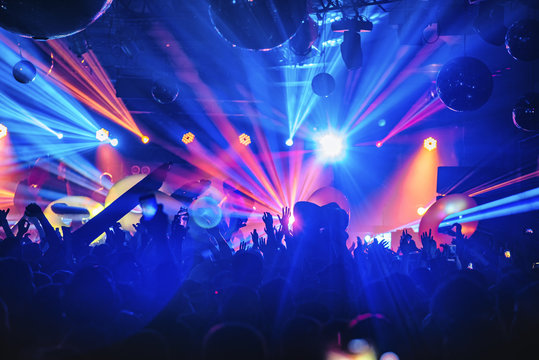
Rave culture is described as a subculture that exists within the context of music-driven gatherings called raves. The raves usually consist of large parties or concert-like events that feature EDM, flashing lights, dancing, and elaborate outfits.
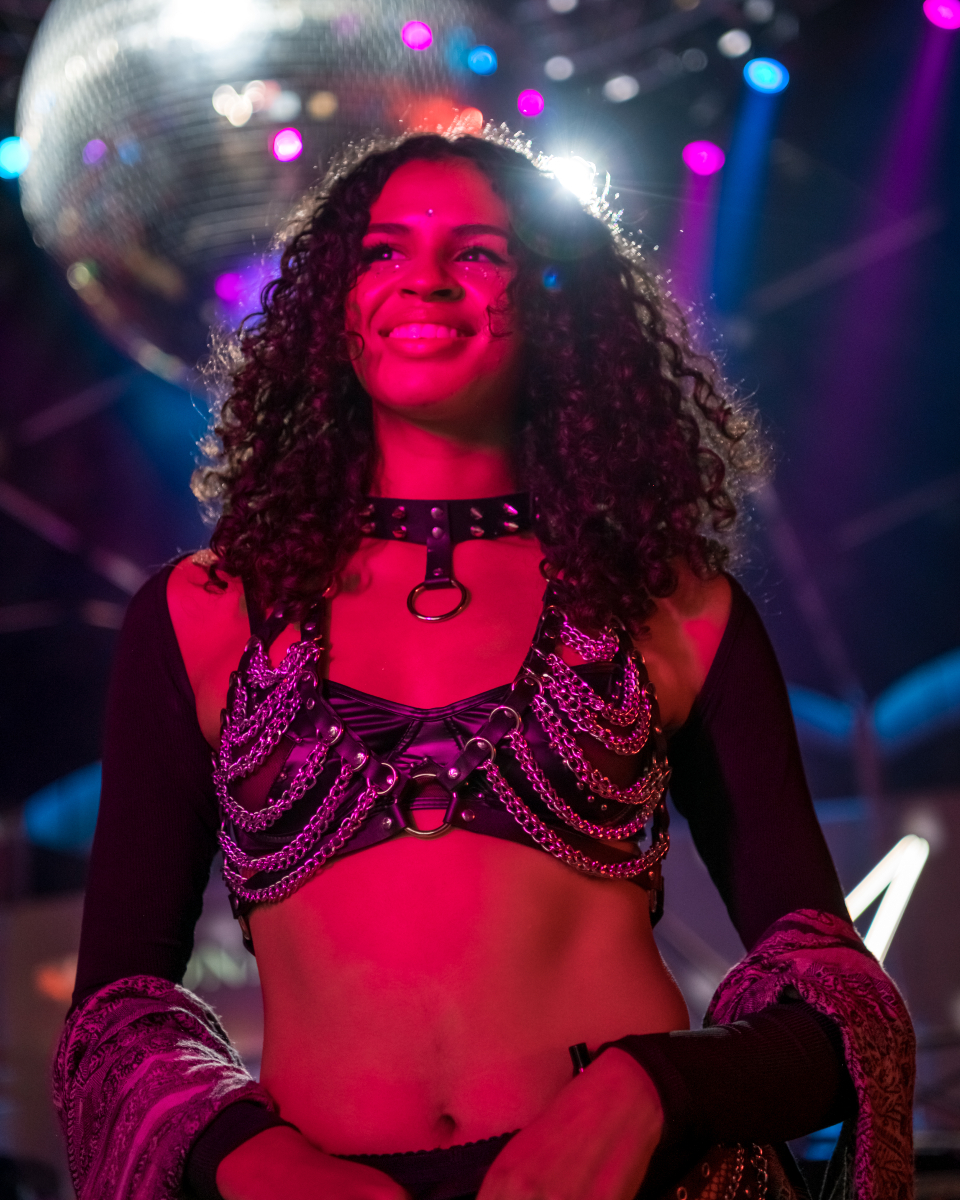
Throughout the decades, rave fashion has evolved, shifting alongside culture, technology, and society for decades. What started as neon colors and baggy fits in sweaty underground warehouses has transformed into sleep, tech-inspired looks at massive festivals. Rave fashion isn’t just clothing, it’s a statement.
The Roots
Rave culture originated around the late 1980s, when underground dance parties began emerging in cities such as London, Detroit, and Chicago.
But, it wasn’t until the early 1990s when the rave scene expanded in terms of both popularity and influence on fashion. People would often dress in bright neon colors to stand out and were a hallmark of the early rave aesthetic.
The clothes were usually oversized, baggy, and loose, with chunky sneakers since the early style was all about comfort and ease. The inclusion of accessories such as glow sticks, pacifiers, and beaded bracelets also were popular during the late 80s, early 90s.
The 2020s
Today, rave culture continues to push the boundaries of creativity and technology. Now rave fashion is all about creativity meeting sustainability. As time goes we’re seeing that more and more ravers are ditching fast fashion and going for more thrifted, upcycled, and eco-friendly fits; looking good while still being conscious. With the incorporation of VR and AR, it’s also changing the way people dress for raves.
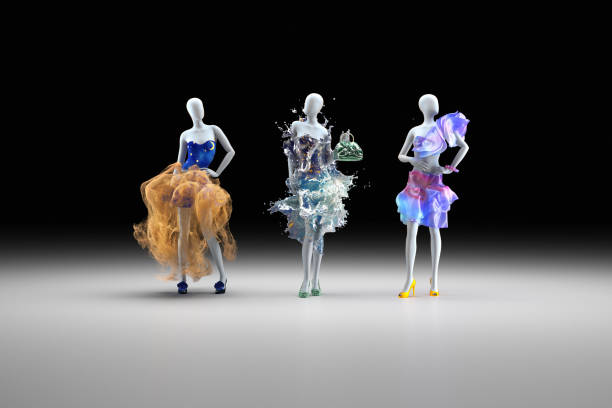
With online festivals and digital events becoming a thing, people can now wear virtual outfits. Additionally wearable tech continues to grow in importance. With fabrics that change colors based on your surroundings or AR glasses that make your experience even more immersive, fashion and tech are starting to become intertwined with each other.
The biggest takeaway from 2026’s clothing trends is simple: fashion is storytelling again. Whether it’s the elegance of period-inspired silhouettes, the playful flash of Y2K, or the immersive glow of modern rave culture, people are dressing with intention and imagination.
Minimalism isn’t gone, but it’s no longer dominating. This year belongs to expression, texture, drama, and even a little fantasy. The past, present, and future are sharing the same closet—and honestly, it’s never looked more exciting.
Leave a Reply