
Fast fashion is an extremely prevalent industry that is spread far and wide.
It generates revenue and status of incomparable numbers, and it is something that has always been a societal core.
As a result, many consumers are already familiar with the detriments of this industry – in this article, we will be diving deeper into the dangers this dark side of the fashion industry holds.
1. Overproduction + Waste
According to Igini, 92 million tons of garments and textiles are wasted each year.
This clothing ends up in landfills and eventually contributes to the environmental deterioration of the earth. This is clothing that could go to children, homeless, and those in need – instead, it goes into the trash.
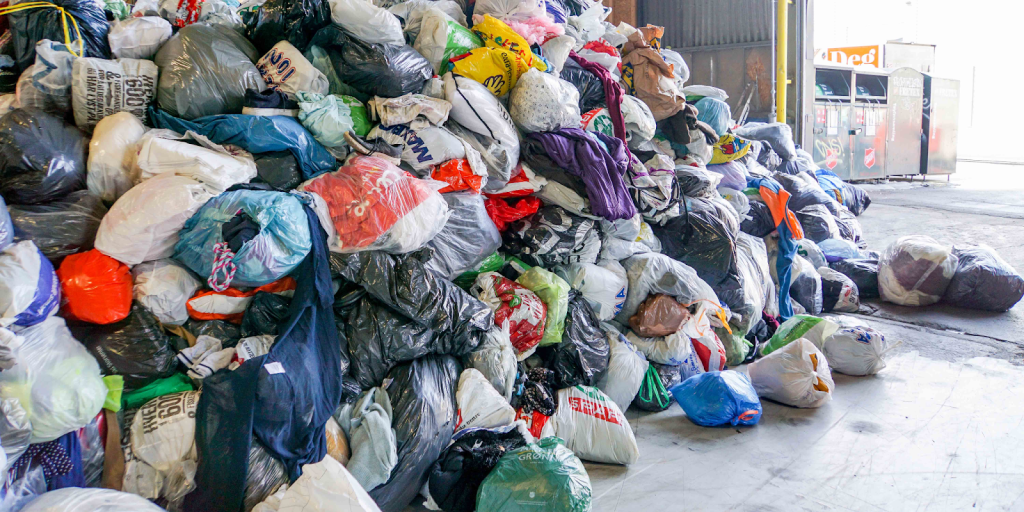
If this type of waste continues, that number is said to rise to 100+ million by 2030.
Not only is clothing being thrown away, but it’s literally being worn less. Since the turn of the century, consumers are only keeping items about 50% of the time, but they are purchasing “60% more clothing per year” (Shedlock, 2023).
This imbalance has created a gap in consumerism where waste percentages are much higher than sustainability percentages.
2. Labor Exploitation and Human Rights Abuse
One of the problems with fast fashion is labor exploitation and human rights abuse. The abuse can range from wage abuse, poor conditions, coercion, debt bondage, and control.
As the industry has evolved, many fashion brands have moved away from supply chains built on collaboration and innovation systems driven by pressure and penalties to hit production targets.
Today’s fashion supply chain is structured around speed and efficiency, generating high profits for brands while often putting heavy strain on workers.
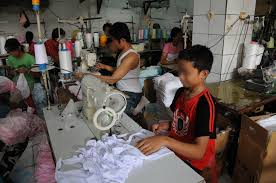
One issue with this is the mistreatment of garment workers. The workers, often women and children, tend to work 12-16 hour shifts but get paid below the living wage, meaning that workers struggle to afford basic needs like food, housing, and healthcare.
Overtime may be mandatory and unpaid. In extreme cases, workers can face verbal abuse, or punishment for failing to meet quotas.
Safety is another major concern. Some garment facilities operate in overcrowded buildings that were not designed for heavy industrial use.
Electrical systems may be overloaded by sewing machines and pressing equipment, increasing the risks of fires. Emergency exits are sometimes locked or blocked to prevent break-ins and theft, but this can also trap the workers if a fire breaks out.
Buildings can be maintained poorly which can cause deadly structural failures such as the collapse of the Rana Plaza factory in Bangladesh in 2013, resulting in 1,129 workers being killed.
Consumers also play a role in this too. With the demand constantly changing, we are often participating in the system. The rapidly changing trends and low priced clothing pushes brands to focus more on speed and profit than ethical practices.
However, awareness on these issues are increasing and more shoppers are researching brands, choosing ethical options, and buying secondhand.
3. Loss of Creativity
With the quickly changing demand of consumers and new fashion trends surfacing every couple of months- it is easy to wonder how fast fashion brands are able to cope with researching their demand, design clothing, and then finally manufacture and mass produce any given piece.
As explained in the previous section though, these brands are known for handing off hard work to others- like in the case of the poorly treated and underpaid labor forces responsible for making the clothing- so it is no surprise that they relegate the creative work to others as well.
Fast fashion brands often outsource the creative labor that comes with producing clothing by stealing from smaller artists and profiting off their ideas or capitalizing off of popular designs.
A famous example of an artist having their designs stolen is in the case of fashion designer Lirika Matoshi who rose to fame with her notable strawberry dress design in 2020.
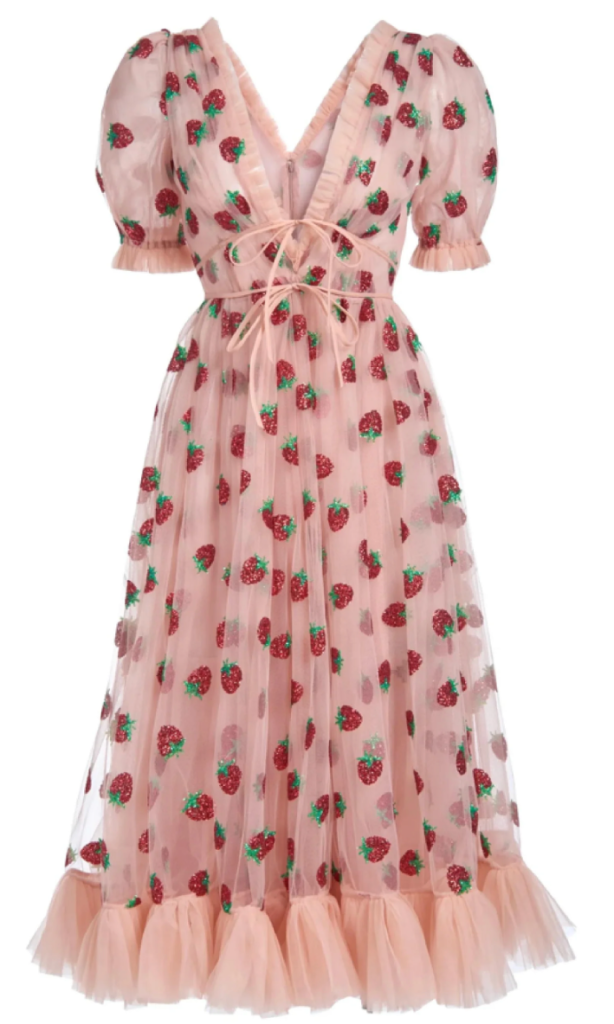
After seeing its popularity, many fast fashion brands began adopting the design until the market was so flooded with the strawberry dress design that it became impossible to recognize who the original creator was. Lirika Matoshi fought to get her rightful recognition for her design and in her struggle- an unexpected issue for the art of fashion arises.
This is a danger of fast fashion- as artists’s work gets lost in the never ending cycle of designs that are duped and edited and reworked and regurgitated and drained for every last drop of profit- creativity takes a backseat to the need for profit.
Artists do not design for expression but for palatability as the motivator of recognition and notoriety is lost and replaced with monetary success.
4. Lower Quality of Clothing declining over time
Have you noticed that new clothes do not last as long or feel as well made as they once did?
Well, you’re not the only one, in fact, many consumers have felt the same sentiment.
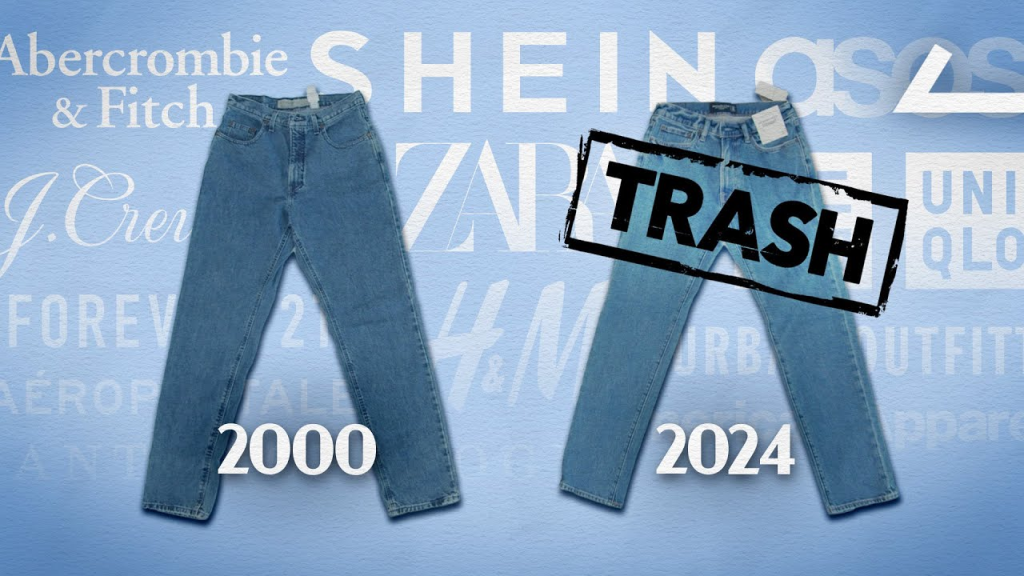
In this NBC News article, Jing Feng, investigated the decline of clothing quality over time and found that many major clothing brands have subtly reduced fabric quality, stitching, and finishing details to keep up with production expectations and prevent prices from rising too quickly.
To protect their margins, companies often make compromises such as thinner or lower quality materials that seem less evident at the time of purchase but become evident after several wears and washes.
What’s driving companies to prioritize lower quality over cost?
The rise of fast fashion has crucially reshaped the process of designing and producing clothes.
A FashionBeans article explains how brands now prioritize production speed and low cost to keep up with rapidly changing trends over the expense of better quality and durability.
Today, clothes are most likely produced with lightweight or synthetic materials and assembled in systematic manufacturing methods, while older clothing were produced more thoroughly along with heavier and longer lasting materials.
People used to own fewer pieces and actually expected them to last for years, but nowadays, consumers buy way more and discard or replace them only after a short time.
These shifts have changed the overall value of clothing. The market is now divided with cheap, short-lasting items and expensive, higher quality items, limiting affordable options. As a result, frustration among consumers is growing as they notice day by day that clothes offer less longevity and value than they once did.
5. Environmental Impact
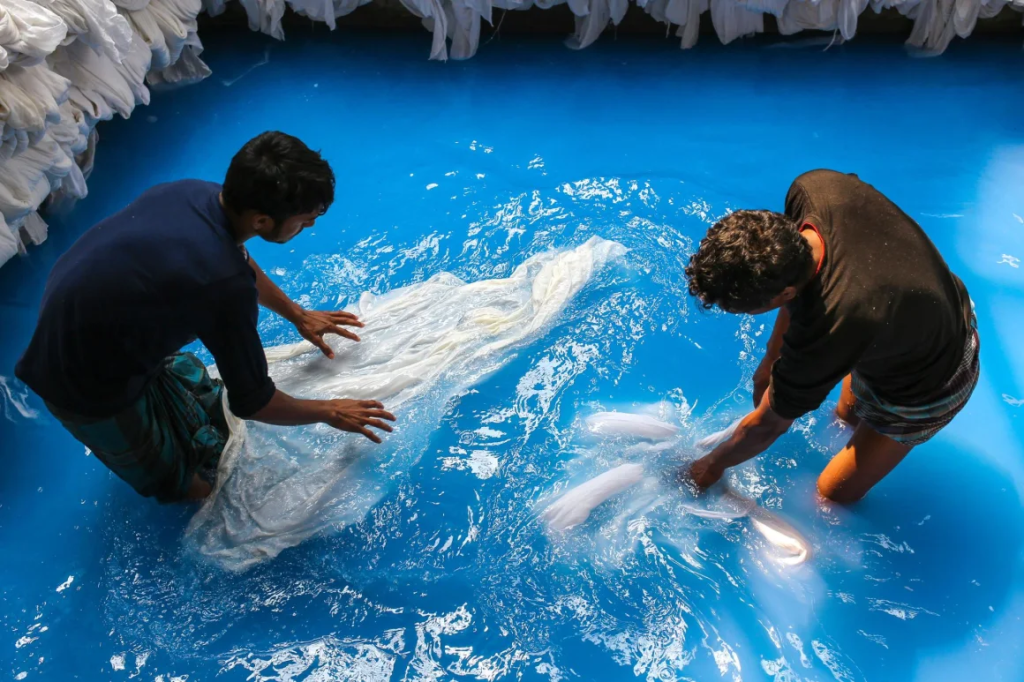
Contaminated water is a large part of the environmental impacts caused by fast fashion.
It takes an incredible amount of water (about 2700 litres) to make 2 pounds of cotton; this is detrimental in comparison to the amount of cotton it takes to make one shirt (about 0.5 – 1 pound).
Beyond the large volume of water needed to produce fast clothing, the water used can also become contaminated with dirt, feces, bacteria, and other germs that do more harm to the earth than good. This takes away from clean drinking water and forces restraints on the amount of water available to the public.
Another integral part of contaminated water is the integration of microplastics.
“Microplastic” is a general term that is used to describe very small pieces of plastic that can cause irreparable damage to the human body. These plastics can lead to diseases later on, such as cardiovascular disease and inflammatory diseases.
Fast clothing materials are typically cheap, so they are produced using a lot of unhealthy plastics and cloths.They are infused into our drinking water through the production of this clothing.
Conclusion
While many consumers are aware of the irreparable damage that fast fashion can cause but still choose its affordable convenience, it is important to truly educate yourself to better grasp as to why you should not support this industry.
Exploring the gravity of what your purchases can be causing is uncomfortable but easily remedied by utilizing alternatives like those advertised on our website- thrift, repurpose, and be responsible.
Leave a Reply