
Thrifting has become one of the most popular ways to shop sustainably.
However, your experience will be very different depending on the way that you choose to shop. From shopping curated lists online to diving through physical racks in-store, each experience offers different insights for your shopping experience.
This post explores the pros and cons of thrifting online versus in-person, helping you decide which method best fits your style.
Online Thrifting
Pro #1: Way More Accessible
Online thrifting makes thrifting way more accessible to a wider audience.
Unlike thrifting in person, online resale platforms allow consumers to go through thousands of secondhand items from all sorts of brands, sizes, and prices without geographic limitations.
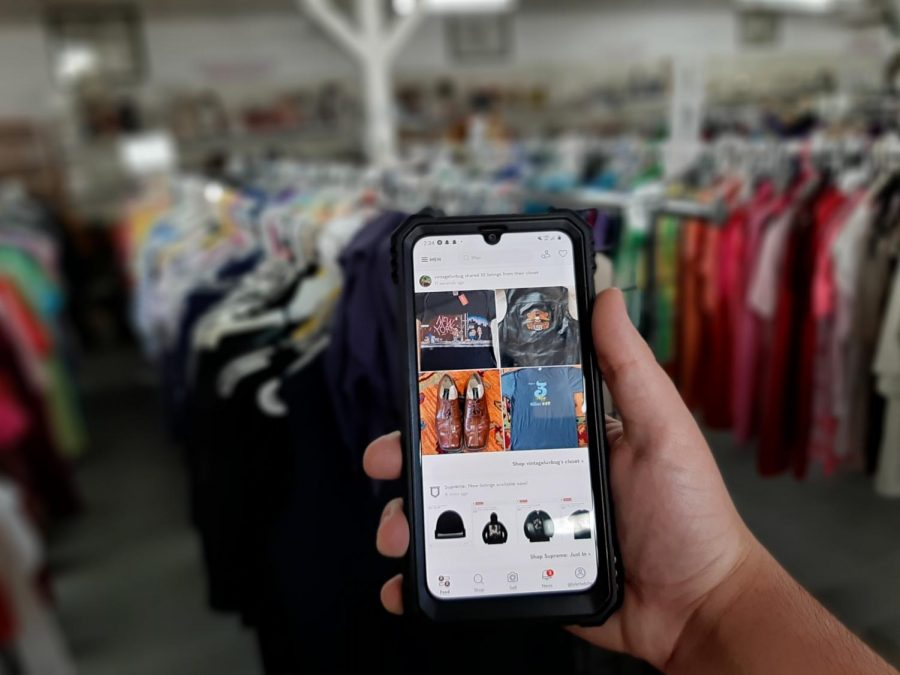
Instead of being limited to whatever happens to be available at the local thrift store, shoppers can browse listings from sellers across the country which expands their options way beyond their local thrift store.
This is especially helpful for people who live in smaller towns where thrift stores may have limited inventory. For students or individuals on a budget, online thrifting provides a cost-efficient way to buy clothes without sacrificing their style, fit, or quality.
It also makes it easier to find specific aesthetics, vintage pieces, or niche brands that might be difficult to come across in person, giving more people the opportunity to express their personal style affordably.
Pro #2: Saves You So Much Time
Online thrifting is also much more efficient and time-saving compared to traditional in-store thrifting.
Instead of spending hours digging through racks of different sizes, brands, and styles, shoppers can quickly narrow down their options with advanced search filters such as size, brand, condition, and price range.
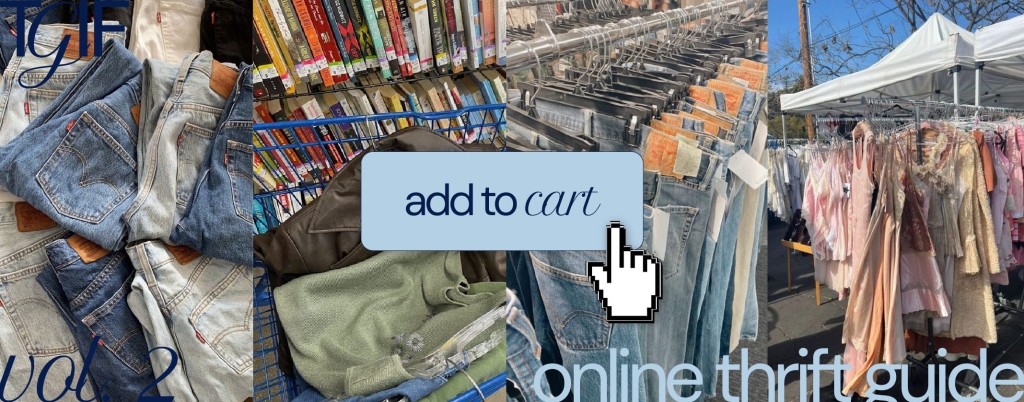
These tools help sort through items that do not meet specific preferences, making the entire process smoother and more efficient. Browsing through clothes online saves much more time than physically going to a store and searching through every rack.
With just a few clicks, users can compare prices, check item descriptions, and even communicate directly with sellers.
Overall, the convenience and organization of online platforms shorten shopping time and make the thrifting experience easier and efficient.
Con #1: You Can’t Physically Try the Product
One of the biggest limitations of online shopping is the lack of physical interaction with the product.
When you’re in a store, you can touch the clothing, feel the quality of it, and even try it on to see of it fits.
With online shopping you’re relying on photos, product descriptions, and reviews. Most times the image is edited, styled, and filtered to look appealing, so often the quality might not be as good as it looks on the photo, or even the color may be different than the photo.
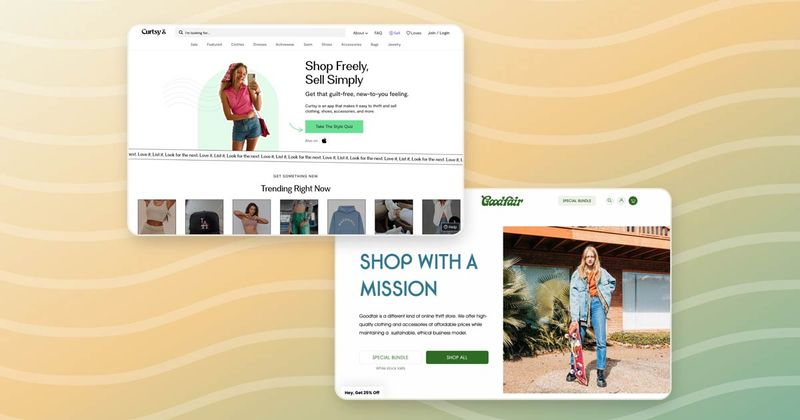
Sizing is another major issue, especially with clothing and shoes. Brands often vary widely in fit, and even the size charts don’t account for different body shapes.
Without, the ability to try it on, shoppers must take a gamble on whether they think it’s going to fit or not. The uncertainty can lead to disappointment, returns, and frustration when the product doesn’t match the person’s expectations.
Con #2: Security and Privacy Risks
Online shopping comes with security and privacy concerns that aren’t normally present in retail shopping.
Every time you make a purchase, you’re sharing sensitive information like your credit card information, billing address, and phone number. If the website isn’t secured properly, or it experiences data breaches, that information can be exposed.

Beyond this, there are also scam websites designed to look legitimate. These websites lure shoppers in with extremely low prices, collect their payment information, and either ship counterfeit goods or nothing at all.
These also come in the form of phishing emails. They usually appear to be shipping confirmations which tricks the user into clicking the harmful link.
Even shopping on creditable websites, many of the companies track the user’s browsing habits and purchase history to serve targeted ads.
Even though this is a common practice, it raises concerns about how much of the user’s personal data is being collected and how it’s being used behind the scenes.
In-person Thrifting
Pro #1: Cost-Effective
Thrifting in-person allows people the chance to save a little more money. By traveling to the store, people save on the extra costs of shipping, handling, and any other online costs.
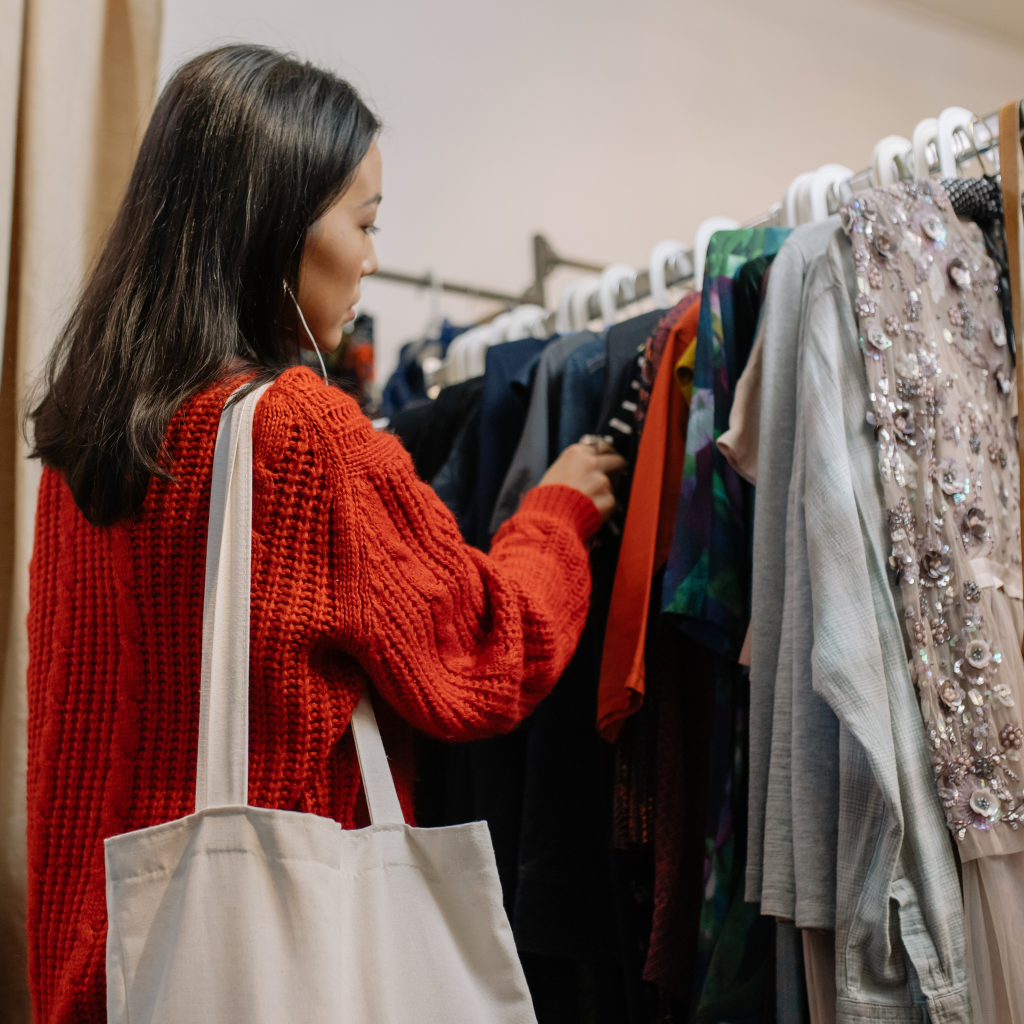
Clothing and other items are typically priced higher online because they are priced for convenience – people fall for these tricks because they don’t want to leave the comfort of their homes.
Overall, however, traveling promotes safer spending habits; it also forces the customer to stop and think about their choice before they buy an item. Once they’re in the store, they can think about whether they really need an item or not, in real time.
Pro #2: Hidden Gems
Sometimes, when you’re physically looking in the store, you can find a “hidden gem”.
This is a term that derives from the literal meaning of finding a precious stone hidden or buried in the ground. It refers to something that is overlooked or underappreciated but is actually extremely valuable.
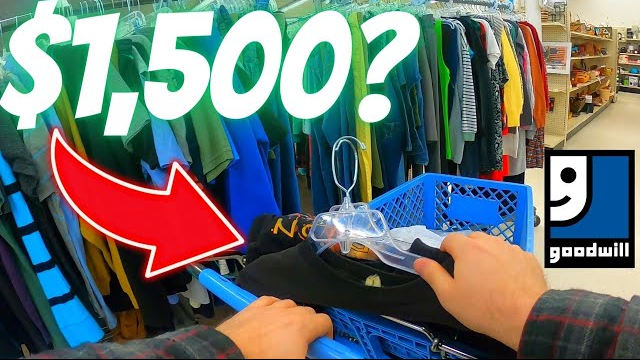
In a thrift store, this could be clothing that is of a rich material, or maybe some bag or purse that is from an expensive luxury brand. Most of the time, these are things that people have donated to the store but were unaware of its value.
People come across these types of items all the time; you just have to be willing to look!
Con #1: Unorganized and Overwhelming
As many thrift stores include a diaspora of products aside from clothing- kitchenware, furniture, instruments, toys, and so much more- the organization of the store itself can often be hard to look through.
Whether because sections and products are not clearly labeled or things are just in disarray, it is easy for your expected relaxing shopping trip to turn into a headache.
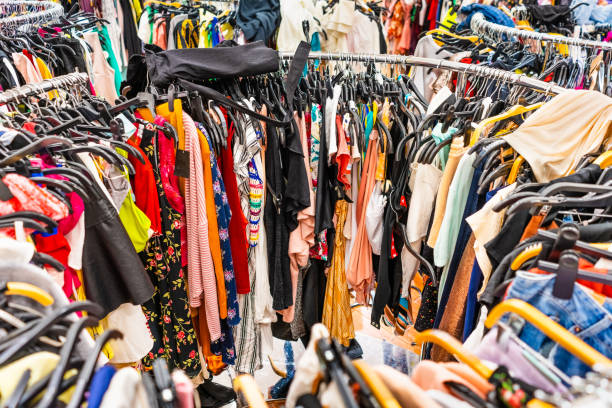
With certain thrift stores being understaffed as they rely on volunteer help or other stores just being unable to cope with loads of donations that overwhelm their shelves and work force, it is easy for your desired piece to be misplaced and escape your notice because you did not expect your favorite new top to be stuffed between two children’s books.
And even in better maintained stores this issue persists as it is not at all uncommon for people to hide items they want to buy but cannot at the moment so that others do not pick it up.
Con #2: Less Personalized Experience
As many online platforms encourage their vendors to establish a positive reputation for themselves- with all the rating systems and ability for buyers to directly complain if anything with their order is handled poorly- this often encourages sellers to go the extra mile.
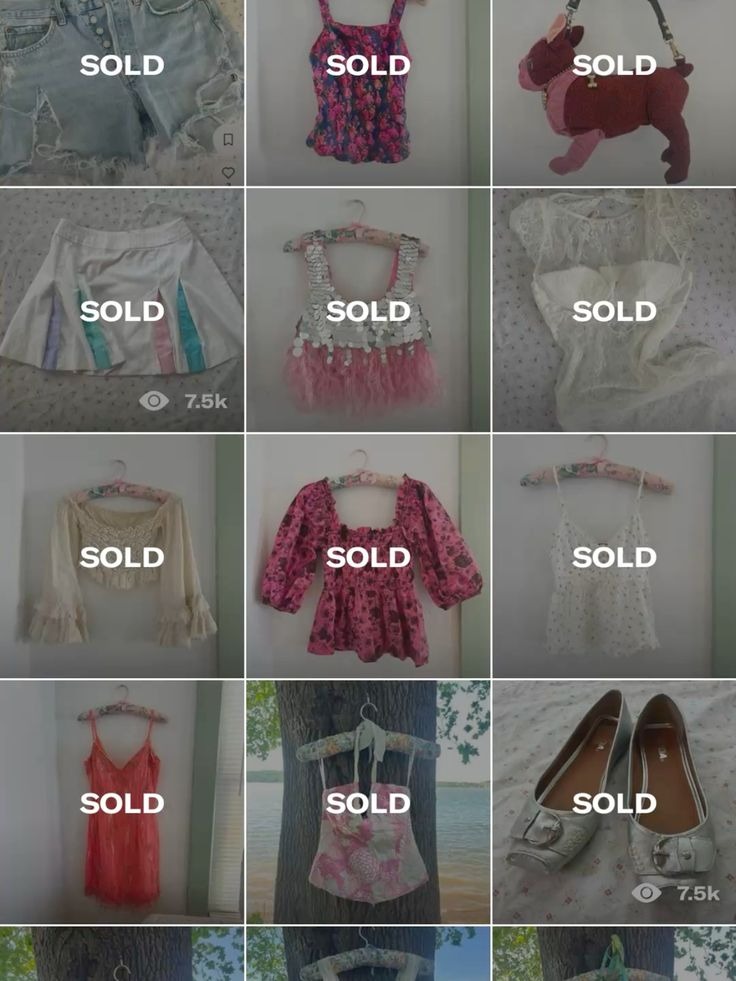
Whereas when you walk in to make a purchase at a physical thrift store- the routine is simple and often void of much human interaction unless you run into a particularly friendly worker.
You simply browse, checkout, and go about your day.
But online thrifting has cute packaging, freebies (which can include stickers, an accessory, a matchbook, etc.), and even the ability to negotiate prices. All these extra flourishes that cannot be found in person.
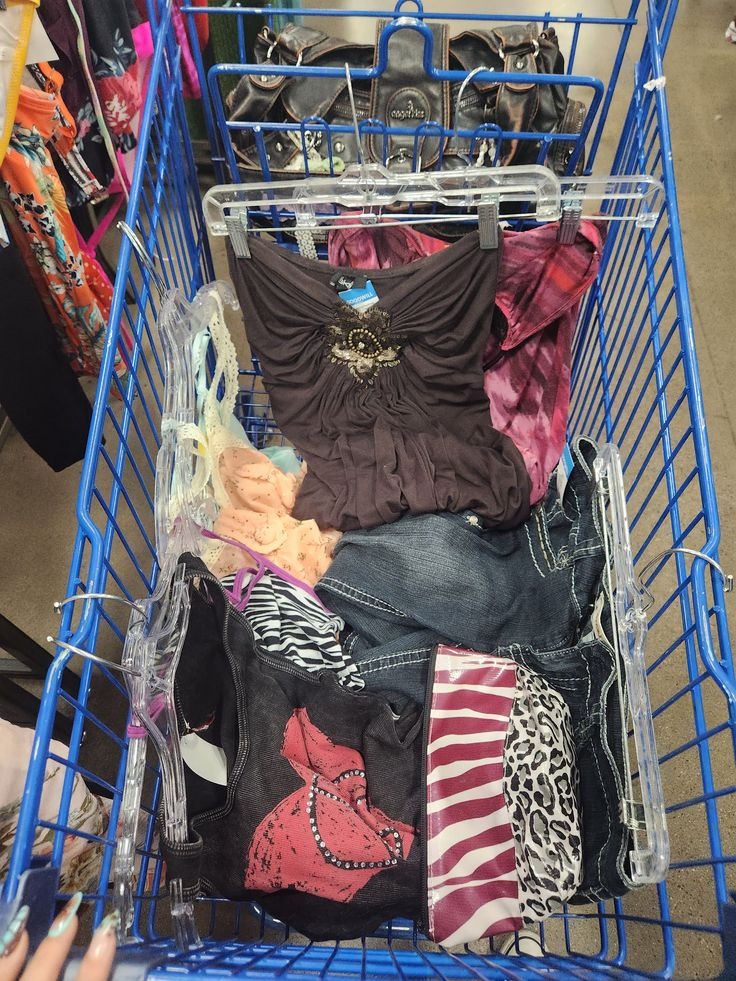
Regardless of the platform, thrifting itself has a lot of pros and cons – an enjoyable truth is that where one falls short, the other steps up.
Many have hesitated about exploring thrifting for one reason or the other, but after reading an honest appraisal of these two ways to thrift, Re:Rack hopes to give you a more optimistic, but real, opinion to this sustainable fashion option.
Leave a Reply