
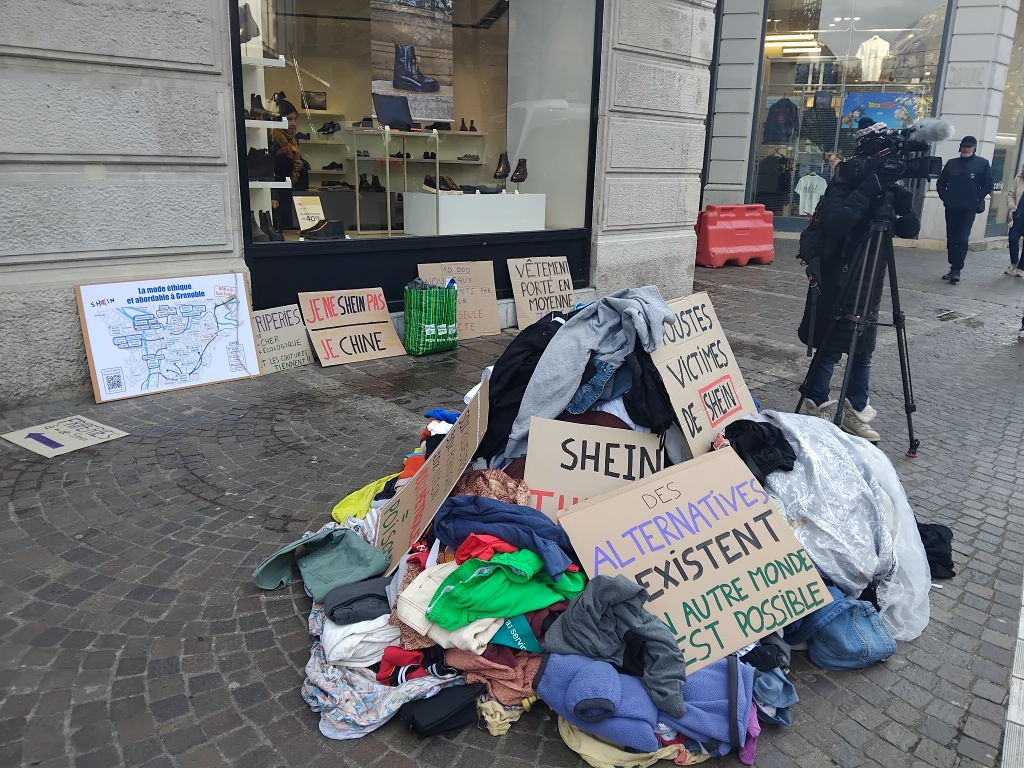
Fast fashion has made it easier than ever to keep up with trends , but that convenience comes with hidden consequences.
Behind the affordable prices and new arrivals, many popular brands have questionable ethics, poor product quality, and a lack of transparency.
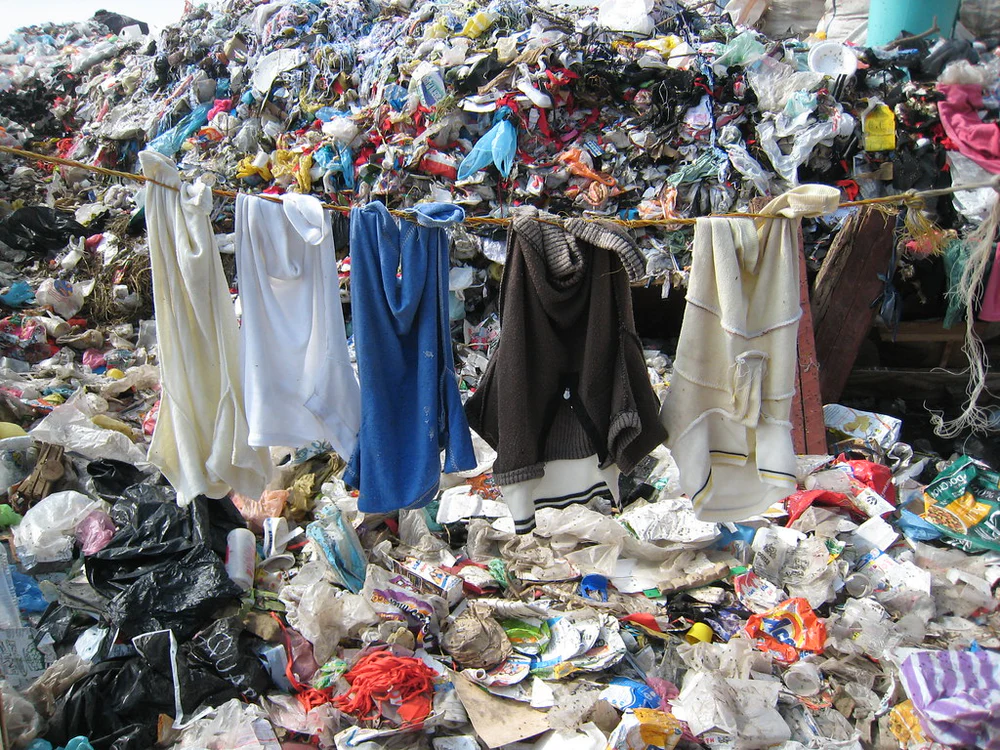
From labor safety concerns to environmental concerns, it’s important to look beyond just the “add to cart.”
Here are four fashion brands that are not worth your money or trust.
Shein
Praised for its fast delivery and extremely affordable prices, Shein has quickly become a competitive player among the online and in-person fashion sellers.
They house an expansive inventory of clothing and accessories, even adding to it everyday; according to Business Insider, they’ve been able to generate about $10 billion in revenue every single year.
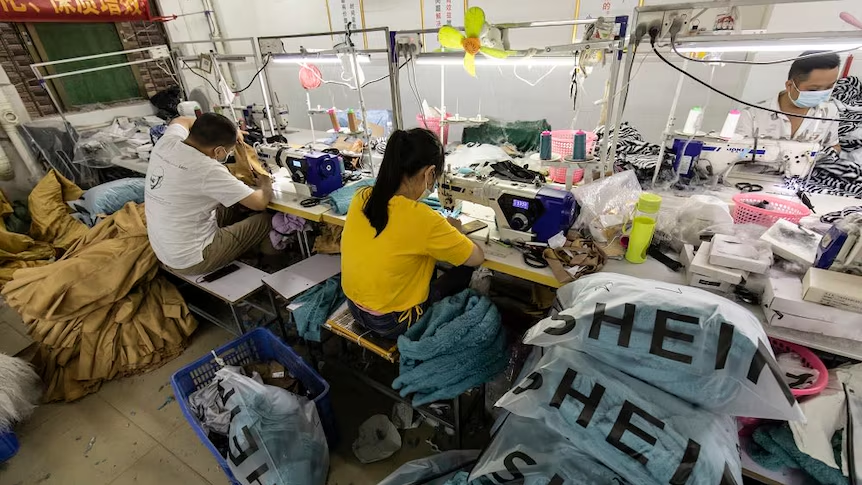
However, underneath each deal that seems too good to be true, Shein hides unsightly facts about their wages, working conditions, and the true nature of their products.
The brand claims to incorporate sustainability practices into their production cycles, but that is untrue.
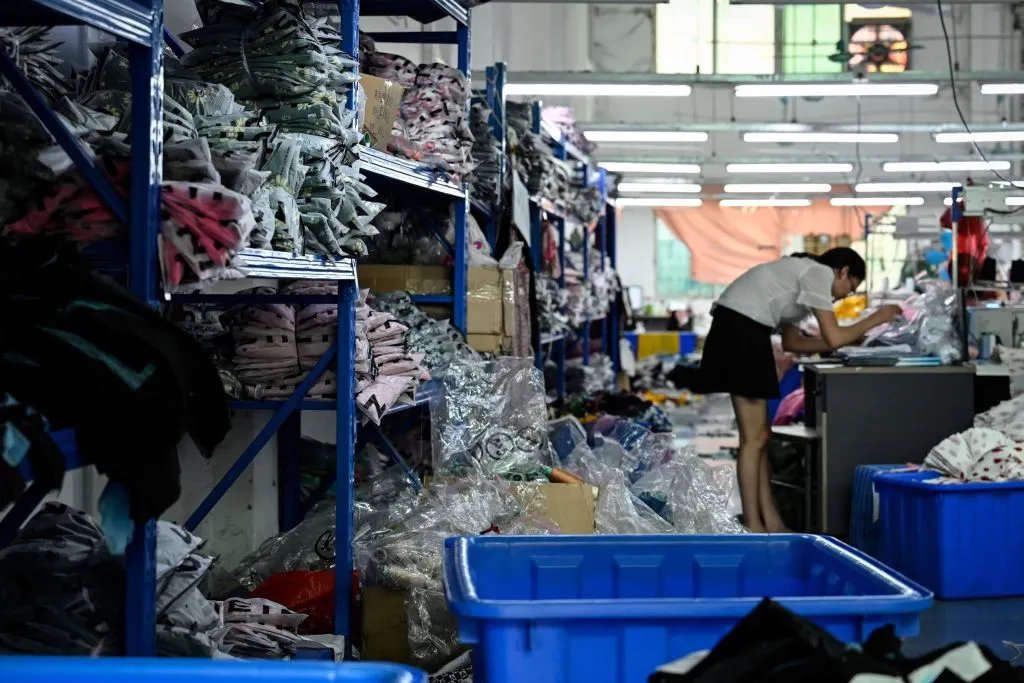
Many other credible brands have audited Shein’s production and “sustainability” practices, and, every time, they scored concerningly low.
They have been cited to pay their workers unlivable wages, create clothing from unethical fabrics, and blur their exact supply chain logistics so that the information is inaccessible to the public.
Many times, their products have been called out as fakes or knock-offs of legitimate designers and other brands. In 2020, the brand received major backlash for releasing a necklace that was in the shape of a swastika.
This was a major demonstration of the cultural insensitivity and disregard for social norms the brand has. This, on top of the blatant ignorance for their workers and the environment, makes this brand one of the worst to shop from.
Forever 21
Forever 21 was a key fashion brand from the mid 2000s to the late 2010s.
They were popular among gen-z and the younger crowd for their simple yet stylish designs and comfortable fabrics.
Recently, however, the brand has come into some hot water and had to file for bankruptcy; consumers have begun to realize the brand is not what it claims to be.
Many people have said clothing from Forever 21 is of a cheap quality and that they don’t last very long. Customers have cited the clothing falling apart or ripping after 3 or 4 wash cycles.
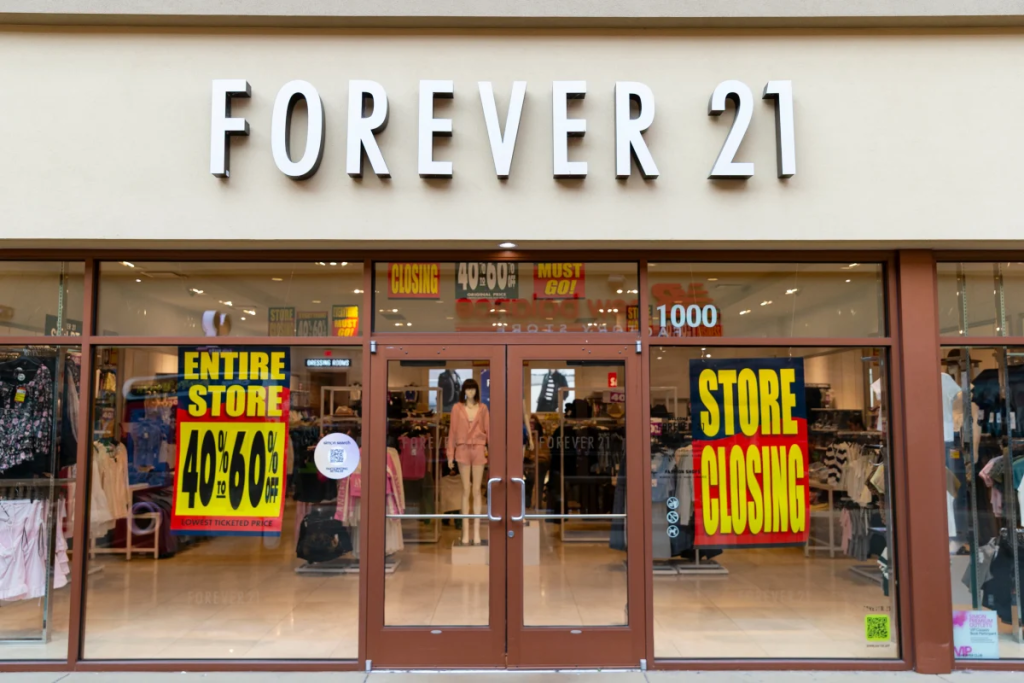
The brand is also responsible for poor customer service and poor response times to customer inquiries. The physical stores are almost always messy and disorganized, and workers are in no rush to mediate it.
Beyond customer dissatisfaction, Forever 21 has also taken part in some negative social commentary. Recently, the brand was accused of body shaming after sending off diet-bars to customers who placed orders for plus-sized items.
These issues and grievances make it a top brand to stay away from.
Fashion Nova
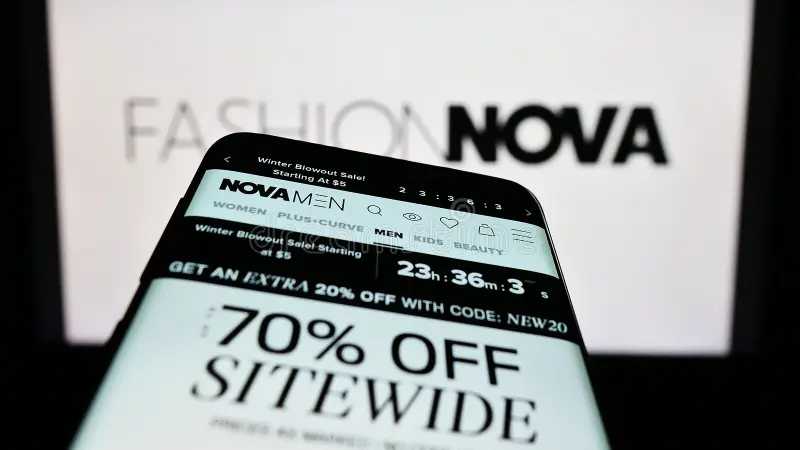
Fashion Nova is a fast fashion retail company that primarily operates online, but also has five onsite locations as well.
Fashion Nova built an empire on cheap prices, influencer deals, and viral Instagram looks but behind all the positives, the brand has also shown a deeply troubling record.
Customer reviews have cited the poor stitching, fabric that falls apart after a few washes, and sizing that barely resembles the reality. The low prices come at the cost of craftsmanship and ultimately, your money’s worth.
For example, the long wool coat made by Fashion nova had a warning placed called California Proposition 65, which indicates that the materials can expose customers to cancer and reproductive harm due to the potential Di(2-ethylhexyl) phthalate, lead, and cadmium found in the materials.
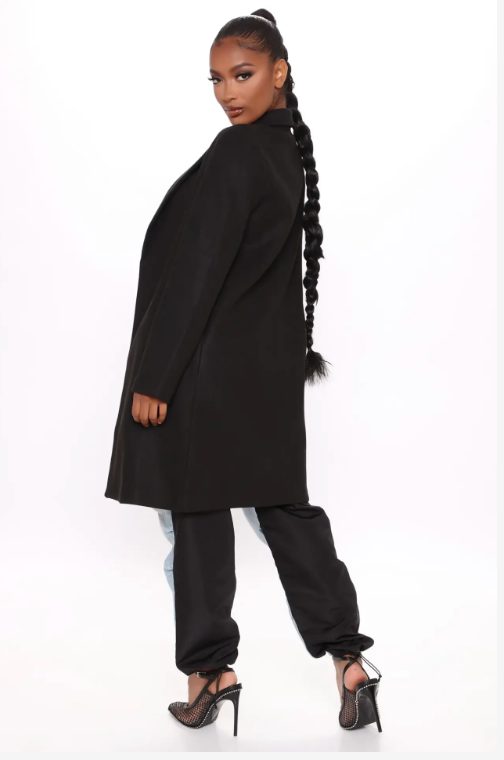
The brand has also faced multiple scandals, mostly involving the suppression of negative customer reviews and shipping delays.
In January of 2022, the FTC (Federal Trade Commission) alleged that Fashion Nova gave a false impression that the product reviews on the website represented all feedback that was submitted by customers, when in reality they were suppressing the review with ratings under four out of five stars.
Fashion Nova agreed to a settlement order that prohibits the company from suppressing its customer reviews and required the brand to pay money to compensate for the affected consumers.
Temu
Temu is an online marketplace operated by e-commerce company PPD Holdings, which is owned by Colin Huang.
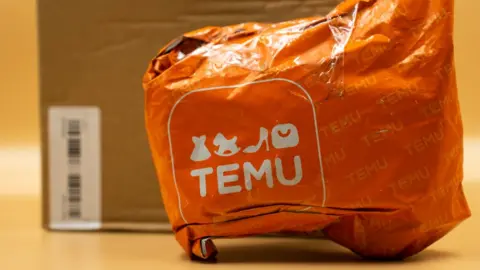
The brand offers heavily discounted consumer goods, mostly shipped to consumers directly from China. Temu’s prices are almost always impossibly low and that’s the problem.
Behind the addictive app and its endless discounts lies a brand with serious issues around privacy, safety, and exploitation.
Temu has been accused of a multitude of unethical practices, one of them being forced labor. While the brand denies any claims of forced child labor, Temu has faced many allegations from the U.S. and the U.K. in 2023 around the very high risks of forced labor occurring within the company.
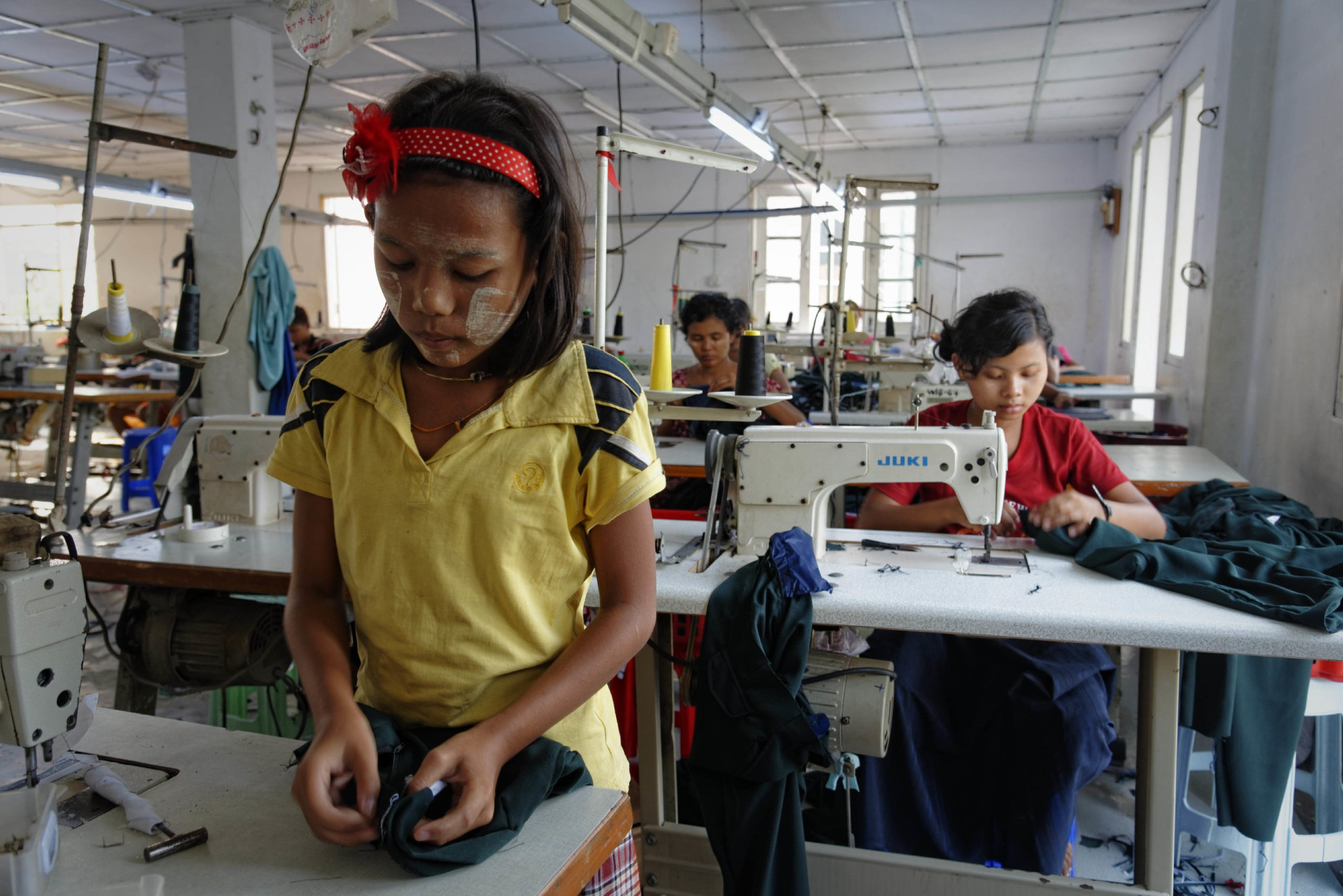
This directly links to the oppression of the Uyghur people, forcing the workers into oppressive conditions and stripping away their freedom in an unethical manner.
This is just one of the many other accusations the brand has faced. Temu has also been flagged by cybersecurity for collecting excessive amounts of user data, including device information, location, and browsing behavior.
In 2023, there were multiple U.S. states filing a lawsuit against the brand claiming that the app was functioning similarly to spyware.
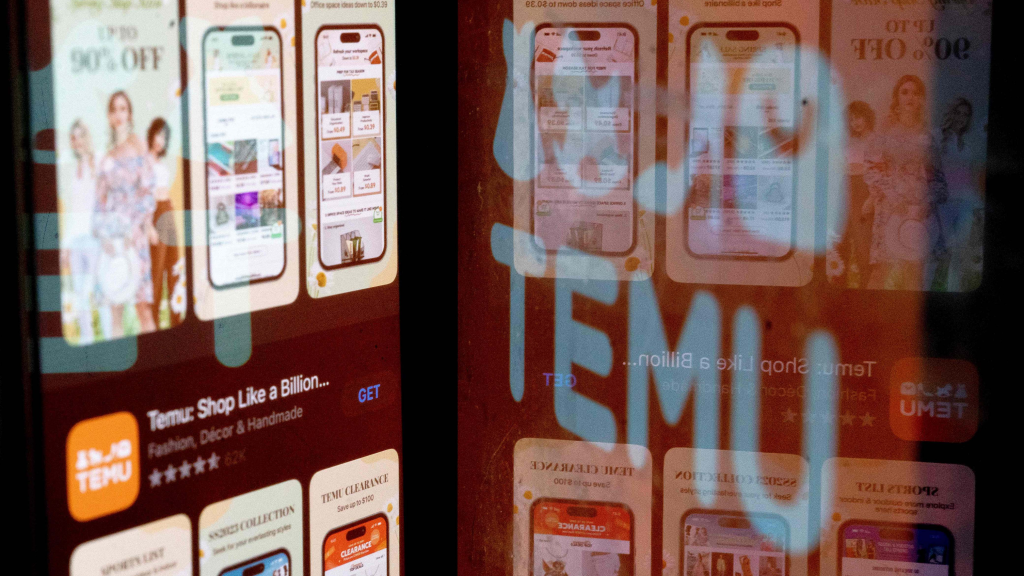
Arizona had filed a lawsuit against the brand for the same exact reason and after they looked into Temu’s app code, they saw that the app was deliberately built to dodge security checks, using multiple layers of encryption to hide what it’s actually doing under the hood.
On top of that, once you download it, the app can apparently rewrite its own code right on your phone, which means it could potentially access your personal information or take control of your device in ways that are nearly impossible to track or predict.
While these brands may be tempting for their affordability and accessibility, the long-term costs often outweigh the short-term benefits.
Supporting companies that prioritize ethical labor, quality materials, and transparency can make a meaningful difference.
Being a more conscious consumer doesn’t mean giving up style; it simply means choosing brands that align with your values.
Leave a Reply