

Thrifting can feel like either a hit or a miss, and the difference usually comes down to knowing what to look for.
At first, the racks and variety can be overwhelming, but once you understand how to evaluate a store and its pieces, it becomes much more intentional.
A good thrift store isn’t just about low prices—it’s about finding quality, wearable items that actually last.
First impressions Matter
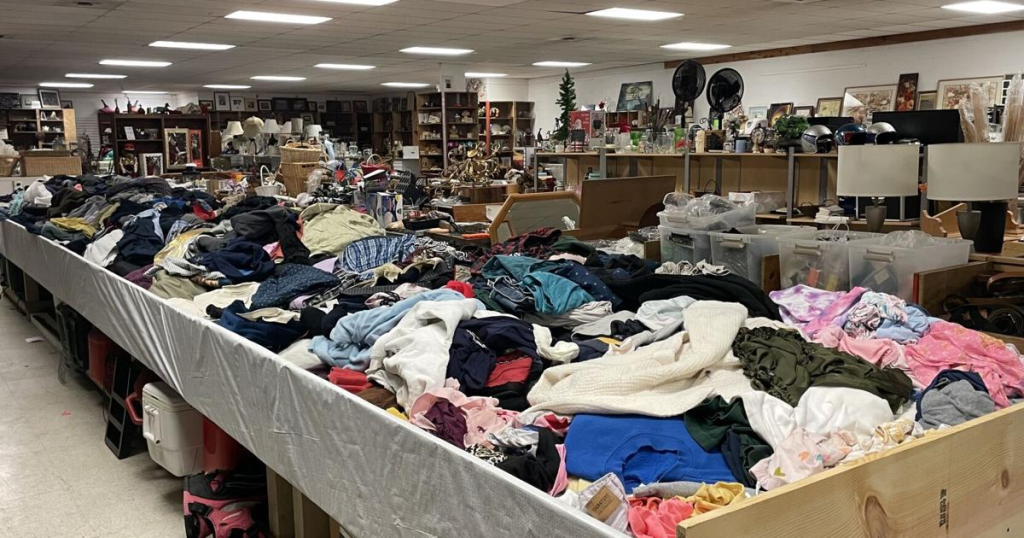
First impressions matter a lot when you walk into a thrift store, because they usually tell you exactly what kind of experience you’re about to have. A good thrift store will feel clean, organized, and easy to navigate right away.
Clothes should be sorted in a way that makes sense—by size, type, or even color—so you’re not wasting time digging through random racks.
The lighting also plays a bigger role than people think; bright, well-lit spaces make it easier to actually see the condition of items and signal that the store cares about presentation.
On the other hand, if you walk into a place that feels cluttered, dim, or chaotic, that’s usually a no-go. Messy racks, clothes falling off hangers, or items thrown together with no system often mean the store isn’t putting effort into quality control. That usually translates to more damaged, low-quality, or fast fashion pieces filling the racks.
The overall feel matters too; if the space feels curated and intentional, you’re more likely to find pieces that were selected with care. In contrast, a disorganized store can feel overwhelming and make thrifting more of a chore than a fun hunt.
While a messy store doesn’t always mean there are zero good finds, it does mean you’ll have to work a lot harder to find them.
Inventory Quality
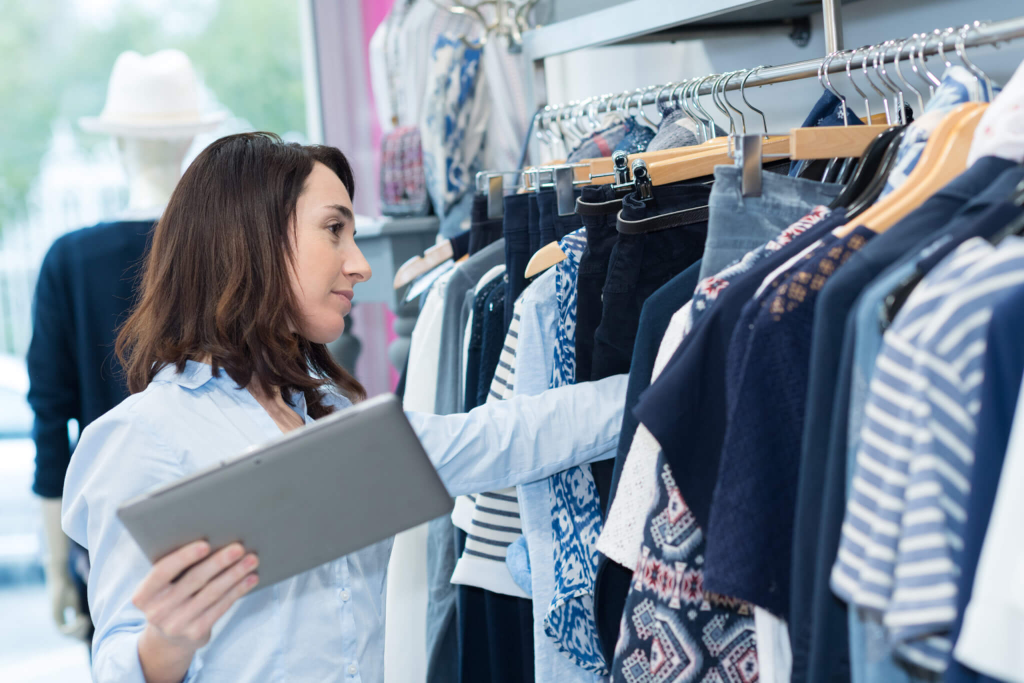
Inventory quality is where a thrift store really proves its worth, and it’s one of the biggest factors separating a good spot from a bad one. The first thing to look at is fabric—higher-quality materials like cotton, wool, denim, and linen tend to last longer and feel better than cheap synthetic blends.
If most of what you’re seeing is thin, worn-out polyester or fast fashion pieces, that’s usually a sign the store doesn’t filter its inventory well.
Brand presence also matters. You don’t need designer labels, but a good mix of reliable, well-made brands shows that better items are making it onto the floor.
Condition is just as important—check for stains, holes, excessive pilling, or stretched-out fabric. A strong thrift store won’t put heavily damaged items out for sale, or at least will price them accordingly.
Another key sign is inventory turnover. If the racks feel stale or overly picked through, it may mean they’re not bringing in new items often. On the flip side, stores that consistently refresh their stock give you a better chance of finding something worthwhile every visit.
Ultimately, a good thrift store doesn’t just have a lot of clothes—it has a high percentage of wearable, quality pieces. That balance is what makes thrifting feel like a win instead of a waste of time!
Construction
The construction of the clothes, or how it was put together, can really make or break the quality of the clothes.
The fabric can be luxurious but if it’s put together badly, then the whole thing fails. Something as simple as checking the buttons on a shirt, seeing if the button was sewn in right could tell you whether the quality is good or not.
Here are some examples:
The seams in clothes can tell you a lot about the product itself. The type of seam that’s used can tell you a lot about the intention behind the garment.
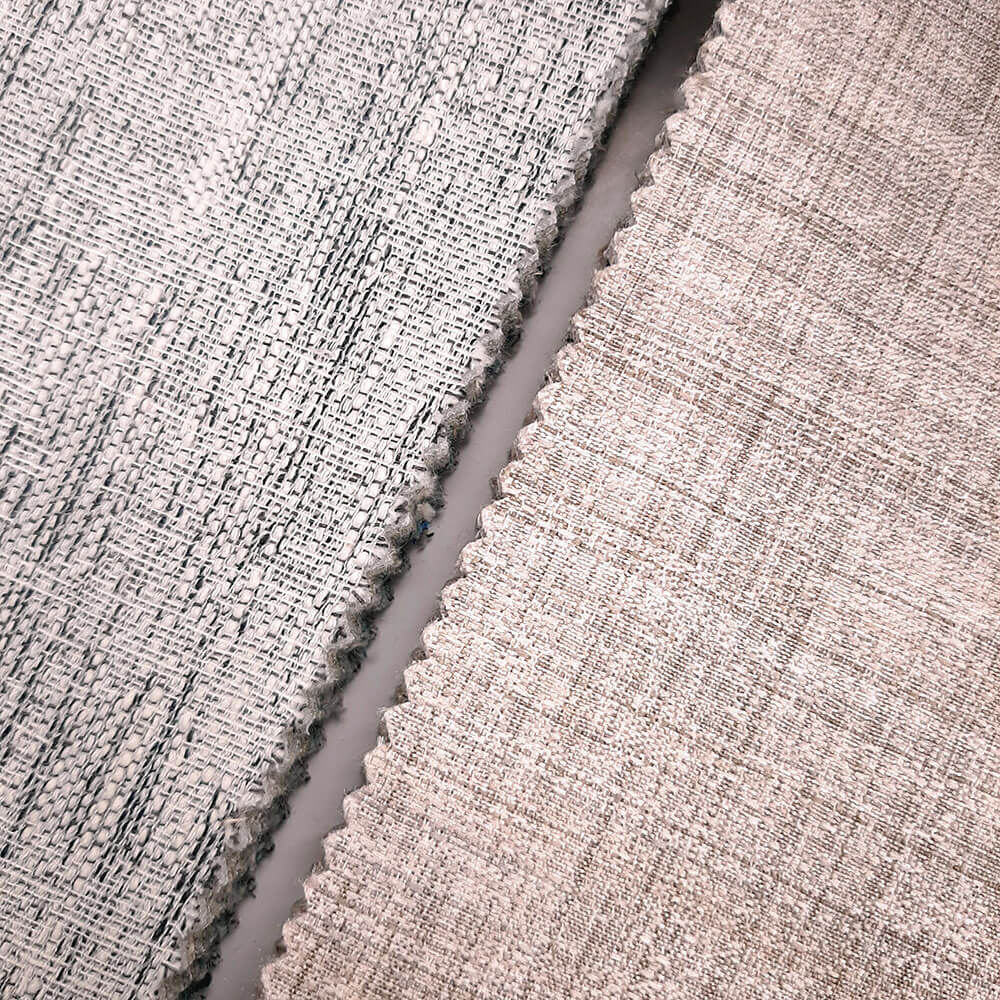
The best seam type to look for is a flat-felled seam. It’s where one seam allowance wraps around the other and is stitched down flat. This is a gold standard for durability. You typically see this on the side seams and inseams of quality jeans and on shirts built for hard wear.
The standard overlock seam is the most common and functional seam all across price points. What separates quality from cheap is how consistently it’s done and whether the serging is tight and even.
The worst seams to go for are ones with raw, unfinished edges. These are the fast fashion hallmarks. Some fabrics don’t fray badly and raw edges are sometimes an intentional design choice, but inside a constructed garment, such as a blazer, trousers, and a structured shirt, raw edges mean the manufacturer didn’t spend the time or money to finish them.
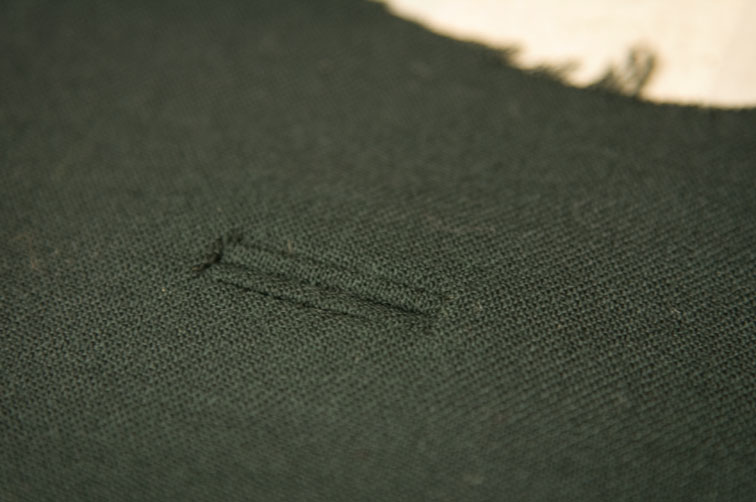
Something as simple as buttonholes can bridge the gap between a good quality thrift piece and a bad one.
This is because buttonholes require precision and a good quality machine to put them in. A good quality buttonhole is dense, the stitching is tight with no gaps, the edges are clean, and the ends are finished with a bar tack or a keyhole.
For example, on fine dress shirts and quality woven garments, the buttonholes stitching lies flat and smooth. On cheap garments, the buttonholes are loose, irregular, sometimes fraying already, with a rough texture where the stitching piles up.
When you’re evaluating a thrift piece, you’re essentially doing a failure analysis: looking at where the cheap decisions were made and asking whether those failures have started yet.
Good construction means fewer failure points and more life remaining. That’s the whole story.
Common Issues
Even in good thrift stores, a few common issues can affect your experience.
Sizing is often inconsistent across brands and eras, so trying items on or carefully estimating fit is important.
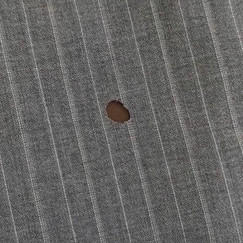
Hidden damage is another major issue—stains, holes, weak seams, or worn fabric can be easy to miss without a close inspection, especially in high-wear areas like collars and underarms.
Many stores are also filled with fast fashion pieces, which tend to be lower quality and less durable, making it harder to find long-lasting items.
Pricing can be inconsistent as well, with some items priced too high for their condition while others are great deals.
]Overall, thrifting requires patience and attention, but learning what to look for helps you avoid these common problems and shop more efficiently.
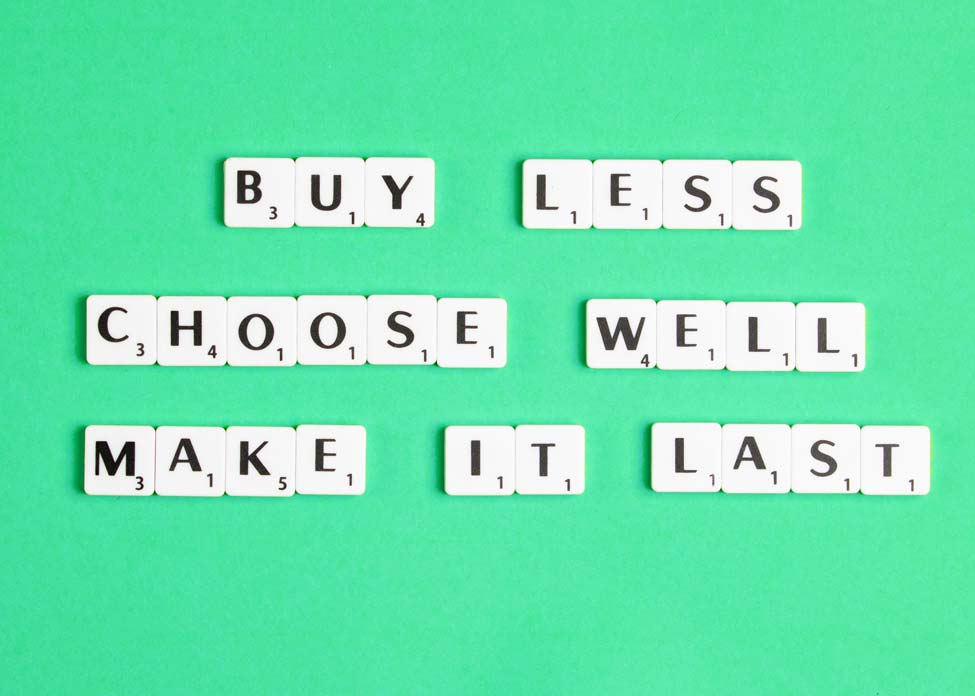
Thrifting is ultimately about making smarter, more intentional choices. While there are challenges like inconsistent sizing and hidden damage, learning how to spot quality makes the process easier over time.
With a careful eye, thrifting becomes less about luck and more about finding pieces that are truly worth it.
Leave a Reply